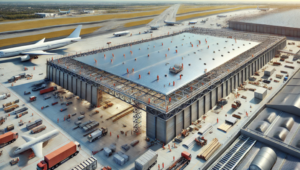
Airline hangars are not typical buildings. They are massive, high-clearance structures designed to protect multi-million-dollar aircraft, support tight maintenance schedules, and keep operations running in every season. That scale and responsibility changes everything about the roof.
In many hangars, the roof is a broad, low-slope system that covers an enormous footprint. It has to manage water, wind, thermal movement, and long-term wear while protecting people, tools, avionics, and aircraft interiors from even minor leaks. That is why airlines and aviation facility managers so often rely on commercial flat roofing companies. These specialists bring the materials knowledge, installation capacity, safety systems, and maintenance discipline that large, low-slope roofs demand.
Along the way, the aviation industry keeps evolving, with fleet plans, operational pressures, and infrastructure constraints making headlines across trusted outlets like FlightGlobal, Aviation Week, and Reuters—and those shifts only increase the need for resilient facilities. Flight Global+2Aviation Week Network+2
What Makes an Airline Hangar Roof Different
Hangar roofs are often wide-span, low-slope systems built to cover huge bays without interior columns. That layout is perfect for moving aircraft and equipment, but it places a premium on roof performance. When a roof spans that much area, small issues scale up fast. A minor membrane failure can become a widespread leak path. A drainage problem can turn into standing water that stresses seams and accelerates deterioration.
Hangars also live in harsh environmental reality. Jet blast, vibration, temperature swings, UV exposure, and wind uplift are not theoretical risks. Commercial flat roofing companies are accustomed to designing and installing assemblies that account for these pressures through proper membrane selection, secure attachment methods, edge detailing, and durable flashing strategies.
And because aviation facilities often operate around the clock, roofing work must be planned with safety and sequencing in mind. Commercial crews that routinely handle hospitals, distribution centers, and large manufacturing sites are set up for that kind of coordination and compliance.
Leak Prevention Protects More Than the Building
In many industries, a roof leak is a nuisance. In an airline hangar, it can become an operational and financial problem quickly. Water intrusion can impact maintenance records, tooling, sensitive electronics, aircraft interiors, and parts inventory. It can also disrupt scheduled checks, inspections, and turnaround timelines.
Commercial flat roofing companies are built around systems and redundancies that reduce leak risk. They understand how to properly detail penetrations, transitions, and perimeter edges—the places where failures most often begin. They also bring testing approaches and documentation habits that facility teams appreciate because hangars are audited, tracked, and managed with a high level of accountability.
Airlines are constantly navigating operational challenges that make reliability more valuable than ever, including staffing and scheduling pressures that appear regularly in airline coverage. Reuters+1 A hangar roof that stays tight and predictable supports that mission without adding avoidable drama.
Flat Roofing Systems Fit the Scale and Function of Hangars
Large hangars frequently use low-slope assemblies because they are practical for spanning big footprints efficiently. Modern flat roofing systems can also support added facility goals like energy management, drainage performance, and future upgrades.
Commercial flat roofing companies typically work with proven systems such as single-ply membranes (like TPO, PVC, or EPDM) and other engineered assemblies designed for large roofs. The right choice depends on climate, wind zone, rooftop equipment, insulation strategy, and the hangar’s operational needs. A specialist contractor knows how to match the system to the building’s purpose and exposure instead of forcing a one-size-fits-all approach.
This matters because airlines plan facilities for the long haul. When industry outlooks and profitability expectations are reported by organizations like IATA, it reinforces how strategically airlines think about cost control and long-term resilience. IATA A well-designed roof helps stabilize operating costs through fewer emergency repairs and better thermal performance.
Maintenance and Inspection Keep Operations Predictable
Airline hangars do not get to “pause” for building problems. Facilities teams need predictable inspection cycles and maintenance plans that prevent surprises. Commercial flat roofing companies usually provide structured service programs that include routine walkthroughs, drain checks, seam inspections, and minor repairs before they become major issues.
That proactive rhythm is especially important on low-slope roofs, where drainage performance is a constant priority. If scuppers, internal drains, or gutters clog, water can pond. Ponding increases load, stresses seams, and shortens roof life. A commercial flat roofing partner treats drainage as part of the system, not an afterthought.
This kind of disciplined maintenance also supports capital planning. Instead of reacting to leaks, facility managers can forecast replacement windows, schedule work around aircraft maintenance cycles, and reduce disruption. That planning mindset fits right into the aviation world, where scheduling and operational reliability are always in focus across trusted airline coverage. 🛠️✈️
Safety, Compliance, and Risk Control Matter More at This Scale
Hangar roofing involves height, complex staging, large crews, heavy materials, and strict site rules. Commercial flat roofing companies invest in fall protection systems, training, safety documentation, and the supervision needed to operate safely around active aviation environments.
That is not just about worker safety. It is about protecting aircraft, protecting personnel on the ground, and ensuring the job does not interfere with flight-line rules or maintenance operations. Hangars can involve controlled access points, specialized lighting requirements, and strict cleanliness standards depending on the work being done inside. Commercial roofing specialists are more likely to have the process maturity to operate smoothly under those constraints.
Energy Efficiency and Climate Control Support the Whole Facility
Hangars are expensive to condition. Even when only parts of the space are heated or cooled, insulation and reflective roof strategies can make a real difference in comfort and cost. Commercial flat roofing companies regularly design roof assemblies with insulation thickness, vapor considerations, and reflective surfaces in mind.
When the roof helps stabilize indoor temperatures, it supports maintenance teams and protects materials stored inside. It can also reduce strain on HVAC equipment, improving reliability and lowering lifecycle cost. For facilities that want sustainability alignment, roofing choices can complement broader aviation initiatives that are frequently discussed in industry reporting, including efficiency and modernization themes tracked by organizations like IATA and major aviation outlets. IATA+1 🌤️
Storm Resilience and Rapid Response Are Non-Negotiable
Airports sit in exposed environments, and hangars often face serious wind and weather events. A commercial flat roofing company understands wind uplift design, edge securement, and how to build a system that holds up under extreme conditions.
Just as importantly, they typically offer emergency response capacity. When weather events hit, speed matters. Water intrusion can quickly become widespread damage, especially in buildings that contain sensitive assets. A commercial contractor with the manpower and materials pipeline to respond fast can be the difference between a manageable repair and a major disruption.
Why “Aviation-Specific” Roofing Still Benefits From Commercial Expertise
Some facility stakeholders assume hangars should only be handled by niche aviation contractors. In reality, hangar roofs often share their core technical demands with other large-scale commercial buildings like logistics centers, manufacturing plants, and big-box facilities. The difference is the operational environment, not the physics of low-slope roofing.
That is why airlines commonly choose commercial flat roofing companies that have a proven track record with large roofs, strong safety performance, and disciplined documentation. The best partners understand how to work within airport constraints while delivering commercial-grade systems that protect assets and keep schedules intact.
For a simple baseline understanding of airlines as an industry, Wikipedia’s Airline overview provides helpful context, while ongoing coverage from outlets like FlightGlobal and Aviation Week’s air transport reporting reflects how quickly airline operations and fleet needs evolve. Flight Global+1
Conclusion
Airline hangars depend on roofs that perform quietly and consistently. With massive footprints, low-slope designs, strict safety requirements, and high-value assets underneath, hangars demand the kind of expertise commercial flat roofing companies are built to provide.
When the roof is installed correctly, detailed properly, and maintained proactively, it protects aircraft, supports maintenance schedules, reduces long-term cost, and lowers operational risk. In an industry where reliability and resilience are always in the spotlight, a strong commercial flat roof is not just a building feature. It is part of keeping aviation moving. ✈️✅